
Complete Guide To Concrete Contractors In Canada
Concrete is one of the most versatile and durable building materials available to Canadian homeowners. Whether you need a new driveway, foundation repair, decorative patio, or commercial foundation, hiring the right concrete contractor is essential to ensuring quality workmanship and long-term durability. This comprehensive guide will help you understand what concrete contractors do, how to find and hire the right professional, and what to expect throughout the project lifecycle.
What Concrete Contractors Do
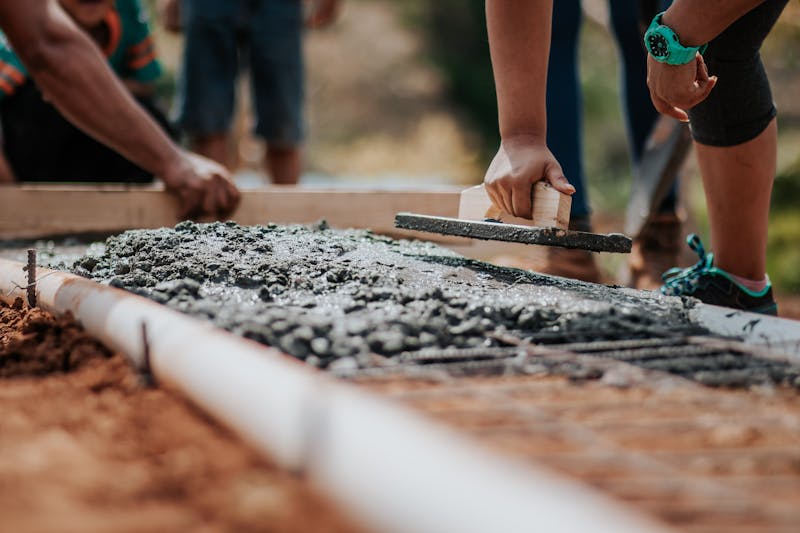
Concrete contractors are skilled tradespeople who specialize in the installation, repair, and finishing of concrete structures and surfaces. Their work requires expertise in site preparation, formwork construction, concrete mixing and pouring, finishing techniques, and quality control. Concrete contractors work on both residential and commercial projects, ranging from small repairs to large-scale construction.
Concrete work is weather-dependent and physically demanding. Contractors must understand how temperature, humidity, and site conditions affect concrete curing and final results. They use specialized equipment including concrete mixers, power trowels, screeds, and vibrators to ensure proper compaction and finishing.
Types Of Concrete Work
Residential Concrete Projects
Residential projects form the bulk of concrete contractor work across Canada. Common residential applications include:
- Driveways and walkways: Standard concrete surfaces designed for vehicle and pedestrian traffic
- Patios and decks: Outdoor living spaces, often featuring decorative finishes or stamped patterns
- Foundations and footings: Critical structural elements for new homes or additions
- Basement floors: Interior concrete slabs requiring proper grading and sealing
- Concrete steps and porches: Entrance structures requiring precise slope for drainage
- Retaining walls: Structural elements for grade changes and landscaping
- Decorative concrete: Stamped, stained, or polished finishes for aesthetic appeal
Commercial and Industrial Concrete
Larger concrete contractors also work on commercial projects including parking lots, warehouse floors, loading docks, and industrial foundations. These projects require additional certifications and experience with heavy equipment and safety protocols.
Repair and Restoration
Experienced concrete contractors also handle repairs such as crack filling, spalling repair, resurfacing, sealing, and waterproofing to extend the life of existing concrete structures.

How To Hire A Concrete Contractor
Verify Credentials And Experience
Before hiring any concrete contractor, verify the following credentials:
- Licensing: Concrete contractors must be licensed in their province. In Ontario, Alberta, and British Columbia, this typically means holding a valid Concrete Finisher or Concrete Specialist certification
- Insurance: Request proof of Workers' Compensation coverage and general liability insurance with minimum coverage of CAD 2 million
- References: Ask for at least three recent residential or commercial projects similar to yours
- Years in business: Established contractors with 10+ years of experience are generally more reliable
- Warranty information: Reputable contractors should offer written warranties on their work
Questions To Ask Concrete Contractors
During your consultation, ask these critical questions:
- Are you licensed and insured for concrete work in this province?
- What is your experience with projects similar to mine?
- Can you provide references from customers in my area?
- What is your timeline, and how does weather impact the schedule?
- What surface preparation will you perform, and is it included in the quote?
- What is your warranty coverage and duration?
- How do you handle unforeseen site conditions or changes?
- Will you obtain necessary permits, or is that my responsibility?
- What is your payment schedule, and do you require a deposit?
- How do you ensure proper slope and drainage on exterior concrete?

What A Quality Quote Should Include
A comprehensive concrete quote should detail the following:
- Project scope and specific work to be performed
- Square footage or linear footage of concrete
- Concrete specifications (strength in PSI, mix design, air content)
- Site preparation and excavation costs
- Formwork and reinforcement (rebar or wire mesh)
- Labour costs broken down by task
- Equipment rental or mobilization fees
- Finishing specifications (smooth trowel, broom finish, stamped, sealed, etc.)
- Timeline and weather contingencies
- Warranty terms and conditions
- Payment schedule and terms
- Permit costs or clarification of responsibility
Concrete Contractor Costs In Canada (2026)
Concrete costs vary significantly across Canada based on regional labor rates, material availability, and project complexity. Here are realistic price ranges for common projects in Canadian dollars:
- Driveways: CAD 8 to 15 per square foot (standard finish), CAD 12 to 25 per square foot (decorative finishes)
- Patios: CAD 6 to 12 per square foot (standard), CAD 10 to 20 per square foot (stamped or stained)
- Concrete steps: CAD 150 to 400 per step including labor and materials
- Basement floors: CAD 5 to 10 per square foot
- Foundations: CAD 150 to 300 per cubic yard of concrete plus formwork costs
- Walkways: CAD 8 to 14 per linear foot
- Concrete sealing: CAD 0.50 to 2 per square foot
Prices are higher in major urban centers (Toronto, Vancouver, Calgary, Montreal) and lower in smaller communities. Winter projects in provinces like Alberta, Saskatchewan, and Manitoba may incur premium charges due to weather challenges. Always obtain three to five quotes before making a decision, and be wary of quotes that are significantly lower than the market average, as they may indicate inferior materials or workmanship.

Red Flags When Hiring Concrete Contractors
Avoid contractors who display any of these warning signs:
- Cannot provide proof of licensing or insurance
- Offers a quote significantly below market rates
- Requests full payment upfront before work begins
- Has no references or negative online reviews
- Uses vague language about materials or specifications
- Cannot explain their finishing process or warranty
- Pressures you to decide immediately
- Does not obtain required municipal permits
- Uses outdated equipment or techniques
- Avoids discussing how they handle weather delays
Frequently Asked Questions
How Long Does Concrete Take To Cure Before It Can Be Used?
Concrete reaches approximately 70% of its full strength within seven days and 90% within 28 days. However, you can typically walk on concrete after 24 to 48 hours, and light vehicle traffic is safe after seven days. For heavy vehicle use, most contractors recommend waiting 28 days. Weather conditions affect curing time, particularly temperature and humidity. Cold weather in provinces like Quebec and Ontario can extend curing periods significantly.
Do I Need A Permit For A Concrete Driveway Or Patio?
Permit requirements vary by municipality. Generally, standard driveways and patios do not require permits if they do not exceed certain square footage limits or affect drainage. However, foundations, retaining walls, and projects affecting grade or drainage typically require permits. Contact your local building department or ask your contractor, who should know local requirements. Hiring a licensed contractor reduces the risk of permit oversights.
What Is The Best Finish For A Driveway In Canada?
A broomed or brushed finish is ideal for Canadian driveways because it provides traction in winter conditions and prevents slipping when wet. Smooth troweled finishes are more slippery and problematic during ice and snow seasons. Many contractors apply a non-skid sealer after six months to further improve winter safety. Avoid highly decorative stamped finishes on primary driveways in areas with heavy snow and ice.
How Do I Maintain Concrete To Extend Its Lifespan?
Proper maintenance significantly extends concrete life. Seal exterior concrete every two to three years with a quality sealer to protect against water penetration and salt damage. Remove standing water promptly, and do not use harsh chemical de-icers on new concrete. Instead, use calcium chloride or sand. Fill cracks as they appear to prevent water infiltration. In spring, pressure wash surfaces to remove salt residue. With proper care, concrete can last 30 to 40 years or longer.
What Is The Difference Between Standard And Decorative Concrete?
Standard concrete is utilitarian, finished smooth or brushed for safety and durability. Decorative concrete includes stamped patterns, stained colors, polished finishes, or exposed aggregate effects. Stamped concrete mimics natural stone, brick, or wood patterns. Stained concrete uses acid or water-based stains to create colors. Decorative finishes cost significantly more (CAD 12 to 25 per square foot versus CAD 8 to 15 per square foot) but provide enhanced curb appeal. Decorative finishes are better suited to patios and accent areas than high-traffic driveways.

Conclusion
Hiring a qualified concrete contractor requires due diligence but pays dividends through quality results that last for decades. Focus on verifying credentials, asking detailed questions, obtaining comprehensive quotes, and avoiding red flags. Budget appropriately for your project type and location within Canada, and remember that the lowest quote is not always the best value. Establish clear expectations about timeline, warranty, and maintenance requirements before work begins. When you are ready to find a qualified concrete contractor in your area, find a concrete contractor through Local Skilled Trades, where you can connect with licensed, insured professionals across Canada.
Local Skilled Trades Editorial
Home Services Expert