
What Is A Drywall Contractor?
A drywall contractor is a skilled tradesperson who specializes in the installation, finishing, and repair of drywall (also called gypsum board or plasterboard) in residential and commercial properties. Drywall contractors handle everything from hanging panels on studs to creating smooth, finished walls ready for painting or wallpaper. This trade is essential to modern construction across Canada, from new builds in Ontario to renovations in British Columbia.
Drywall work requires precision, physical stamina, and attention to detail. Contractors must understand building codes, moisture management, fire rating requirements, and finishing techniques to meet the standards expected in Canadian homes. Whether you're building a new house or renovating a basement in Alberta, a qualified drywall contractor ensures your walls are structurally sound, aesthetically pleasing, and compliant with local regulations.
Types Of Drywall Work And Services
Drywall Installation And Hanging
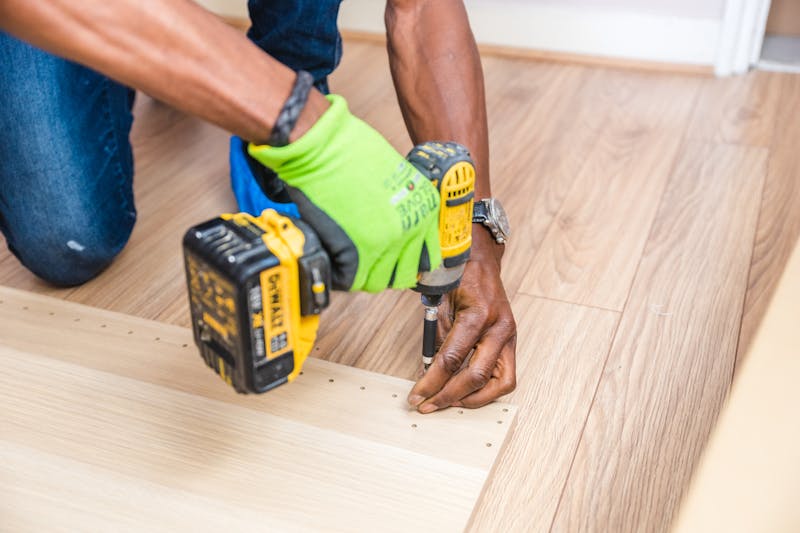
Installation is the foundational drywall service. Contractors measure wall and ceiling spaces, cut panels to fit, and secure them to wooden or metal studs using specialized fasteners. They ensure panels are flush, properly spaced, and aligned. This phase requires knowledge of stud spacing, electrical outlets, and building codes. Installers also work with different drywall types: standard (1/2-inch for most walls), moisture-resistant (for bathrooms and kitchens), fire-rated (for garages and commercial spaces), and soundproof varieties.
Taping, Mudding, And Finishing
After installation, contractors apply joint compound (mud) and tape to seams, creating a seamless surface. This multi-step process involves taping joints, applying multiple coats of compound, sanding between coats, and final finishing. A skilled finisher creates invisible seams that result in professional, paint-ready walls. The finishing stage can take several days or weeks depending on project complexity and environmental conditions.
Drywall Repair And Patching
Contractors repair water damage, impact holes, cracks, and other defects in existing drywall. Small holes (under 6 inches) require spackling paste or lightweight joint compound. Larger damage may need patch kits or section replacement. Experienced contractors match existing finishes and textures, ensuring repairs blend seamlessly with surrounding areas.
Texture Application
Many Canadian homes feature textured ceilings and walls for aesthetic or sound-dampening purposes. Drywall contractors apply popcorn, orange peel, knockdown, and other texture finishes. This service is popular in Prairies homes and older constructions across Canada.
Soundproofing And Specialty Applications
In noise-sensitive areas (near highways in Greater Toronto Area, basements in urban centers), contractors install soundproofing materials between studs and use specialized drywall types. They also handle curved walls, archways, and other architectural features requiring custom cutting and finishing.

Typical Project Scope And Costs In Canada
Drywall project costs vary significantly based on location, scope, and complexity. Here are realistic 2026 Canadian price ranges:
- Small Room Renovation (100-150 sq. ft.): $800-$1,500 CAD including installation and finishing
- Basement Finishing (500-1,000 sq. ft.): $2,500-$5,000 CAD
- New Home Construction (2,000-3,000 sq. ft.): $6,000-$12,000 CAD
- Water-Damaged Drywall Replacement (150 sq. ft.): $1,200-$2,500 CAD
- Popcorn Removal and Refinishing (1,000 sq. ft.): $2,000-$4,000 CAD
- Drywall Repair (per hole, small to medium): $150-$400 CAD
Factors affecting costs include material prices, labor rates (which differ between provinces), project accessibility, texture type, and timeline urgency. Vancouver and Toronto generally command higher rates than rural Manitoba or Saskatchewan.
How To Hire A Drywall Contractor
Credentials To Verify
Before hiring, confirm that your contractor has proper credentials. Look for:
- Valid provincial trade certification (varies by province; some provinces require licensing, others do not)
- Workers' Compensation coverage (WSIB in Ontario, equivalent in other provinces)
- General liability insurance (minimum $2 million CAD coverage)
- References from recent residential projects
- Proof of business registration and tax compliance
Questions To Ask Potential Contractors
- How long have you been in the drywall trade, and are you certified in your province?
- Can you provide three recent references from similar projects?
- What is your warranty on finishing work, and what does it cover?
- How do you handle material waste and site cleanup?
- What is your timeline, and how do you manage project scheduling?
- Do you handle all phases (installation, taping, finishing), or do you subcontract any work?
- How do you handle unexpected issues like structural problems or asbestos?
- What payment schedule do you use, and do you require a deposit?
What A Quality Quote Should Include
A professional quote specifies materials (quantity and type of drywall, joint compound, tape, fasteners), labor hours, timeline, site preparation responsibilities, and final finish specifications. It should clearly distinguish between phases (hanging, first coat, second coat, third coat, sanding, final inspection). The quote should also address waste removal, protection of existing structures, and any allowances for unforeseen conditions.
Red Flags To Avoid
- No Insurance or References: A contractor unwilling to provide proof of insurance or verifiable references is a significant risk.
- Suspiciously Low Quotes: Quotes significantly below market rates may indicate poor quality, inexperienced work, or future cost overruns.
- Cash-Only Payments: Legitimate contractors issue invoices and accept standard payment methods.
- No Written Contract: Always insist on a detailed, signed contract specifying scope, timeline, payment terms, and warranty.
- Poor Communication: If a contractor is difficult to reach or vague about project details, consider moving on.
- No Site Preparation Discussion: Professional contractors discuss how they'll protect your home, manage dust, and prepare the workspace.
- Pressure To Rush or Overpay: Ethical contractors allow time for decision-making and don't pressure clients into upgrades.
- Unaddressed Moisture or Mold: Any contractor recommending drywall installation without addressing moisture issues is cutting corners.
Frequently Asked Questions
How Long Does A Typical Drywall Project Take?
Small repairs may take one to two days. A single room renovation typically requires three to seven days, depending on finish level and drying times between coats. Basement finishing projects (500-1,000 sq. ft.) usually span two to four weeks, accounting for drywall application, multiple finishing coats, sanding, and curing. Weather, humidity, and temperature affect drying times, so contractors may adjust schedules accordingly.
What Is The Best Drywall Finish Level For Residential Homes?
Most Canadian homes use Level 4 or Level 5 finishes. Level 4 involves three coats of compound with light sanding, suitable for most living areas. Level 5 adds a fourth coat and additional sanding for superior smoothness, typically chosen for high-visibility areas, homes with theatrical lighting, or premium finishes. Basement rec rooms often use Level 4, while living rooms and bedrooms in newer homes frequently specify Level 5.
Can Drywall Be Installed In Bathrooms And Kitchens?
Standard drywall should never be used in moisture-prone areas. However, moisture-resistant drywall (often called greenboard or cement board) is specifically designed for bathrooms, kitchens, and laundry rooms. These products resist mold growth and water damage. Contractors should also ensure proper ventilation, vapor barriers, and sealing to prevent moisture infiltration. In British Columbia and other coastal regions where humidity is high, moisture-resistant drywall is especially important.
What Causes Drywall Cracks, And Can They Be Prevented?
Cracks result from settling, temperature fluctuations, structural movement, or poor installation. New homes frequently experience minor cracking as foundations settle. Preventing cracks involves proper framing, correct fastener spacing, controlling humidity during construction, and using flexible joint compounds in areas prone to movement. Quality contractors anticipate potential issues and use appropriate materials to minimize cracking risk.
Is Popcorn Ceiling Removal Safe?
Popcorn ceilings installed before 1980 may contain asbestos. Professional contractors can test materials before removal. If asbestos is present, specialized abatement contractors must handle removal, which costs significantly more than standard popcorn removal (often $3,500-$6,000 CAD for a standard home). Modern popcorn installations are asbestos-free and safer to remove. Always hire certified professionals for any popcorn removal project.
Finding The Right Drywall Contractor For Your Project
Choosing a skilled drywall contractor ensures your project is completed on time, within budget, and to professional standards. Prioritize contractors with proper certification, liability insurance, and strong references. Request detailed quotes, ask thorough questions about their process, and don't hesitate to check credentials with provincial trade organizations.
Whether you're planning a basement renovation in Quebec, a kitchen update in Alberta, or finishing new construction in Nova Scotia, the right drywall contractor makes all the difference. Take time to compare options, verify credentials, and choose a professional who communicates clearly and demonstrates pride in their work.
Ready to find a qualified drywall contractor in your area? Find a Drywall Contractor on Local Skilled Trades, Canada's trusted directory of experienced tradespeople.
Local Skilled Trades Editorial
Home Services Expert