
What Framing Contractors Do
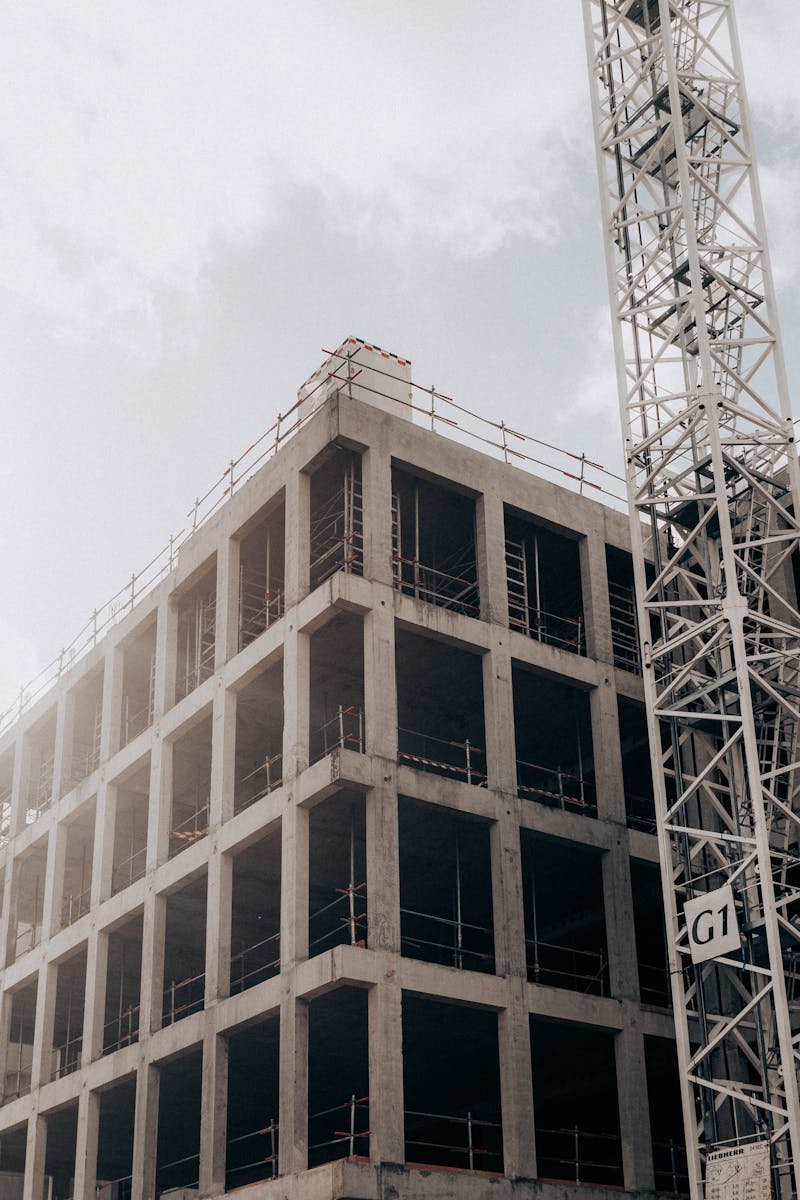
Framing contractors are skilled tradespeople who build the structural skeleton of residential and commercial buildings. They are responsible for constructing the framework that supports your entire home, including walls, floors, ceilings, and roofs. This foundational work determines the integrity, safety, and longevity of your building.
Framing is one of the most critical phases of construction. A properly framed home will be square, level, and plumb, ensuring that doors, windows, and finishes align correctly. Poor framing work can lead to settling issues, uneven floors, squeaky walls, and expensive problems down the road. This is why hiring an experienced, licensed framing contractor is essential.
In Canada, framing contractors must understand regional building codes that vary by province. Ontario's Ontario Building Code (OBC), British Columbia's BC Building Code, and Alberta's National Building Code adoption all have specific requirements for framing materials, spacing, and connections. Your contractor must be knowledgeable about these standards.

Types of Framing Work Performed
Residential Framing
Residential framing includes single-family homes, duplexes, and small multi-unit dwellings. This typically involves wood frame construction using 2x4 or 2x6 lumber for walls, floor joists, and roof trusses. Residential framers must be skilled in creating load-bearing and non-load-bearing walls, understanding where structural support is needed.
Commercial and Multi-Unit Framing
Commercial projects often require steel framing or heavy timber construction. These projects are more complex and typically require additional certifications. Multi-unit residential buildings in major Canadian cities like Toronto, Vancouver, and Montreal frequently use steel or concrete framing systems.
Renovation and Addition Framing
Renovation work is often more challenging than new construction because framers must work around existing structures, identify load-bearing walls, and ensure new framing connects properly to the old. This requires experience and problem-solving skills.
Specialty Framing
Some framers specialize in cathedral ceilings, vaulted roofs, complex geometric designs, or structural repairs. These services command higher rates due to the technical expertise required.
Typical Project Scope and Timeline
The scope of framing work depends on the project size. A new single-family home typically requires 4 to 8 weeks of framing work, depending on square footage and complexity. A 2,000 square foot home might take 6 to 8 weeks if all materials are on site and weather cooperates.
Framing projects generally follow this sequence:
- Foundation verification and layout
- Floor system installation
- Wall framing and bracing
- Roof truss installation
- Final inspections and punch list completion
Weather significantly impacts timelines in Canada. Winter framing in provinces like Alberta and Manitoba may take longer due to cold temperatures and snow. Spring and fall are ideal framing seasons across most regions.
Credentials and Licensing Requirements
Framing contractors in Canada typically hold one or more of these credentials:
- Carpentry Certification: Most provinces require certified carpenters to complete apprenticeships and pass exams. This usually involves 4,000 to 6,000 hours of on-the-job training plus classroom instruction.
- Red Seal Certification: The Interprovincial Red Seal program allows certified carpenters to work across Canada without re-certification.
- Building Code Knowledge: Licensed framers understand the National Building Code and provincial amendments.
- Safety Certifications: First Aid, CPR, and fall protection training are essential. Many require Working at Heights certification.
- Business License: Ensure the contractor has proper business registration in their province.
Always verify credentials with the appropriate provincial trade authority or your local municipality before hiring. Don't assume that experience alone replaces proper certification.
How to Hire a Framing Contractor
Finding and Vetting Candidates
Start by getting recommendations from your general contractor, builder, or local construction network. Ask for references from at least three recent projects. Contact these references and ask specific questions about quality, punctuality, and professionalism.
Check online reviews and the Better Business Bureau. In Canada, verify credentials through provincial trade organizations such as the Ontario College of Trades, Professional Engineers Ontario (PEO), or the equivalent in your province.
Questions to Ask Potential Framers
- Are you licensed and certified as a carpenter? Can you provide proof?
- How many years have you been framing?
- Are you familiar with the building code requirements in my province?
- Will you pull permits and arrange inspections, or will the general contractor handle this?
- Do you have liability insurance and Workers' Compensation coverage?
- What is your timeline for this project, and how many crews will you assign?
- How do you handle unexpected structural issues or changes?
- Can you provide references from similar projects completed in the last two years?

What to Expect in a Quote
A professional framing quote should include:
- Detailed scope of work (walls, roof, additions, etc.)
- Material specifications (lumber grade, sizing, quantity)
- Labor costs broken down by phase
- Timeline and project schedule
- Insurance and WCB coverage details
- Warranty information
- Payment schedule and terms
- Exclusions and assumptions
Get at least three quotes to compare pricing and scope. The lowest bid is not always the best option, especially for structural work where quality directly affects your home's durability.
Framing Contractor Cost Ranges in Canada, 2026
Framing costs vary significantly by region, material costs, and project complexity. Here are realistic 2026 estimates in CAD:
Residential Framing (New Construction): $15 to $35 per square foot of building area. A 2,000 square foot home would cost $30,000 to $70,000 for framing labor and materials.
Additions and Renovations: $20 to $50 per square foot due to increased complexity and site constraints.
Roof Framing Only: $8 to $20 per square foot, depending on complexity and truss design.
Regional Variations: Urban centers like Toronto, Vancouver, and Calgary tend to have higher labor costs than rural areas. British Columbia and Alberta may have slightly different pricing due to local supply chains and labor availability.
Material costs have stabilized after 2022 volatility but remain higher than pre-pandemic levels. Lumber prices fluctuate seasonally, with spring pricing typically 10-15% higher than winter.
Red Flags When Hiring a Framing Contractor
- No Insurance or WCB: Never hire a contractor without current liability insurance and Workers' Compensation coverage. This protects you from liability if someone is injured.
- No References: Any contractor unwilling to provide recent references should be avoided.
- Unregistered Business: Verify they're registered as a legitimate business in your province.
- Vague Quotes: Quotes lacking detail about scope, materials, and timeline suggest inexperience or hidden costs.
- Pressure to Pay Upfront: Legitimate contractors request deposits of 10-25%, not full payment before work begins.
- Unwilling to Pull Permits: Framing requires inspections in Canada. Any contractor avoiding permits is cutting corners.
- Poor Communication: If they're hard to reach during the quoting process, expect worse communication during the project.
- Inexplicably Low Bids: Framing is physically demanding work. Bids significantly below market rates usually indicate quality compromises.
Frequently Asked Questions
How Long Does Residential Framing Take?
For a typical 2,000 square foot single-story home, framing usually takes 6 to 8 weeks. Two-story homes may take 8 to 12 weeks. This timeline assumes materials are available, weather cooperates, and inspections pass on schedule. Renovations often take longer because framers must work around existing structures and may discover hidden issues.
Do I Need Permits for Framing Work?
Yes. All structural framing work in Canada requires building permits and inspections. Your municipality will require inspections at multiple stages: foundation, after framing, after rough electrical and plumbing, and final inspection. Never hire a contractor who suggests skipping permits.
What's the Difference Between Rough Framing and Finish Carpentry?
Rough framing is structural work: walls, floors, roof systems, and beams. Finish carpentry is detail work: trim, baseboards, shelving, and cabinetry. Framing contractors specialize in rough framing. Some also do finish carpentry, but many subcontract this work to finish carpenters.
Can Framers Identify Load-Bearing Walls During Renovations?
Experienced framers can often identify load-bearing walls by examining structure, but structural engineers provide definitive answers. For any renovation involving wall removal or relocation, hire a structural engineer first. Their report guides the framing contractor on what support is needed. This typically costs $300 to $800 CAD and is well worth the investment.
What Happens if Framing Fails Inspection?
If framing fails inspection, the contractor must make corrections at no additional cost under warranty. Common failures include improper spacing, inadequate bracing, or non-compliant connections. Reputable contractors take inspection failures seriously. If your contractor resists making corrections, escalate to your municipal building department or consider legal action.
Conclusion
Hiring a qualified framing contractor is one of the most important decisions in any construction project. Your home's structural integrity depends on their work. Take time to verify credentials, get multiple quotes, and check references thoroughly. Expect to pay $15 to $35 per square foot for residential framing in 2026, with variations based on region, complexity, and materials.
Ready to find a framing contractor near you? Find a Framing Contractor through Local Skilled Trades' Canada-wide directory to connect with licensed, vetted professionals in your area.
Local Skilled Trades Editorial
Home Services Expert