
Complete Guide To Tile And Stone Contractors In Canada
Tile and stone work transforms bathrooms, kitchens, entryways, and outdoor spaces into beautiful, durable installations that enhance both functionality and aesthetic appeal. Whether you're planning a kitchen backsplash, bathroom renovation, or outdoor patio project, understanding what tile and stone contractors do, how to hire the right professional, and what to expect during the process is essential for a successful renovation.
This comprehensive guide covers everything Canadian homeowners need to know about hiring tile and stone contractors, from credentials and costs to the questions you should ask before signing a contract.
What Tile And Stone Contractors Do
Tile and stone contractors are skilled professionals who specialize in installing ceramic, porcelain, natural stone, and glass tiles on interior and exterior surfaces. Their work requires precision, knowledge of materials, proper surface preparation, and expertise in grouting and sealing techniques.
These contractors handle the complete installation process from start to finish, which includes assessing the substrate, preparing surfaces, cutting and fitting tiles, applying adhesive, grouting joints, and applying sealant where necessary. High-quality tile work depends on accurate measurements, level installations, and proper water management, particularly in wet areas like bathrooms and kitchens.
Types Of Projects Tile And Stone Contractors Handle
- Bathroom Renovations: Shower enclosures, bathtub surrounds, floor installations, and accent walls
- Kitchen Projects: Backsplashes, countertops, and floor tiling
- Entryways and Foyers: Statement floor tiles that create visual impact
- Outdoor Applications: Patios, pool decks, and exterior wall cladding
- Commercial Installations: Retail spaces, restaurants, and office buildings
- Specialty Work: Mosaics, decorative patterns, and custom stone arrangements
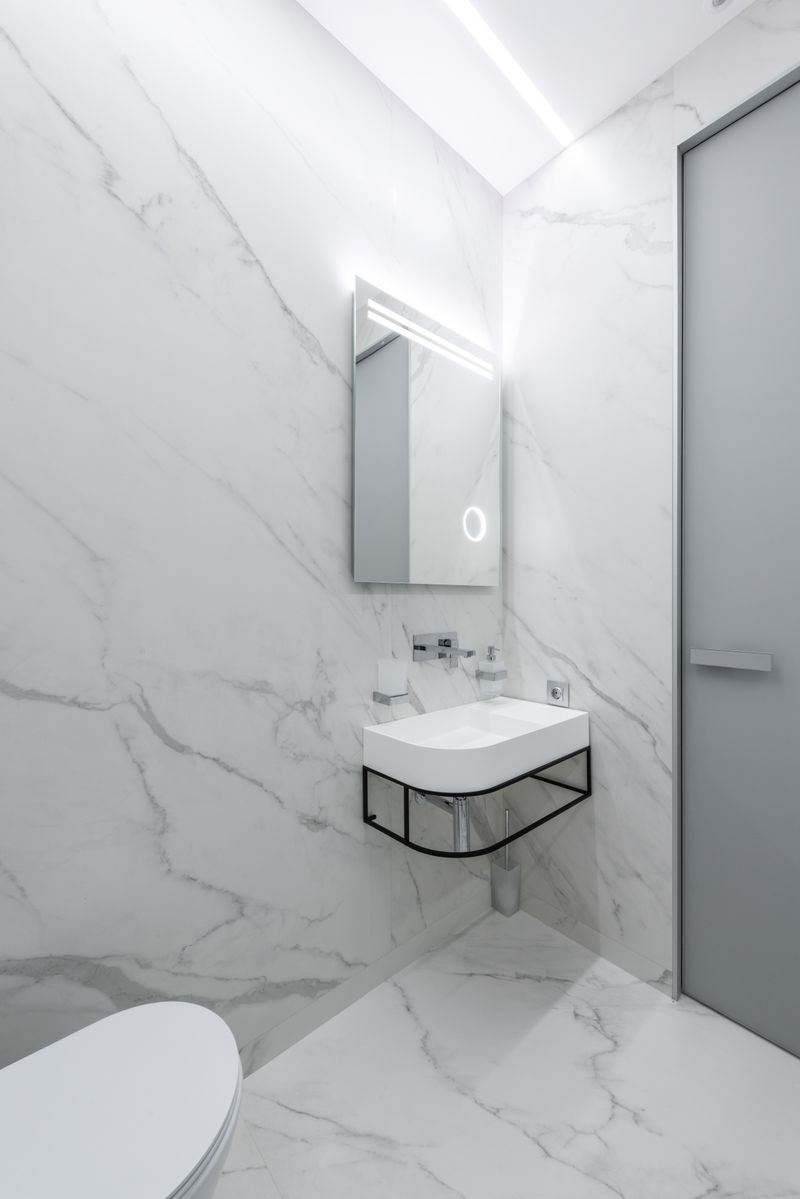
Types Of Tiles And Stone Materials
Tile and stone contractors work with various materials, each with different properties, durability ratings, and installation requirements. Understanding these options helps you make informed decisions about your project.
Common Tile Materials
- Ceramic Tile: Affordable, durable, and available in countless colours and finishes. Ideal for kitchens and moderate-moisture bathrooms
- Porcelain Tile: More durable than ceramic, less porous, and suitable for high-traffic areas and wet locations
- Natural Stone: Marble, granite, slate, and limestone offer unique beauty but require regular sealing and more careful maintenance
- Glass Tile: Creates stunning visual effects, particularly in backsplashes and accent applications
- Large Format Tiles: Oversized tiles reduce grout lines and create seamless, modern appearances

How To Hire A Tile And Stone Contractor
Selecting the right contractor is crucial for project success. The hiring process involves verifying credentials, asking targeted questions, and carefully reviewing quotes.
Essential Credentials To Verify
- Licensing and Certification: Confirm the contractor is licensed to operate in your province. Check with your provincial trades authority or regulatory body
- Insurance: Verify liability insurance and workers' compensation coverage to protect you from responsibility if accidents occur
- Warranty Information: Reputable contractors offer warranties on workmanship, typically 1-5 years depending on the scope
- References: Request at least three recent residential projects completed in your province or region
- Professional Associations: Membership in organizations like the Canadian Home Builders' Association or provincial tile councils demonstrates professional standards
Questions To Ask Before Hiring
- How many years of experience do you have with tile and stone installations?
- Can you provide references from projects similar to mine completed in the last 12 months?
- What is your process for surface preparation and substrate assessment?
- Do you handle waterproofing for bathroom installations, or is that a separate cost?
- What adhesives and grout products do you use, and are they suitable for my specific application?
- What warranty do you provide on your workmanship?
- How do you handle debris removal and site cleanup?
- What is your payment schedule, and do you require a deposit?
- How long will the project take, and what if issues arise during installation?
- Are you insured and licensed to work in my province?
What A Quality Quote Should Include
A comprehensive quote from a professional tile contractor should contain the following elements:
- Itemized breakdown of labour, materials, and equipment costs
- Square footage of the installation area and specific tile or stone products being used
- Surface preparation requirements and associated costs
- Waterproofing specifications for wet areas
- Grouting details, including grout colour and type
- Sealing requirements for natural stone
- Timeline for project completion
- Payment terms and deposit amount
- Warranty details for workmanship and materials
- Cleanup and disposal procedures

Cost Ranges For Tile And Stone Work In Canada
Tile and stone installation costs vary significantly based on the project type, materials chosen, complexity, and your location within Canada. These 2026 estimates provide realistic ranges for budgeting purposes.
Typical Project Costs In CAD
- Kitchen Backsplash: $800 to $2,500 depending on tile choice and complexity
- Bathroom Floor (50-100 sq ft): $1,500 to $4,000 including labour and materials
- Shower Enclosure Installation: $2,000 to $6,000 for complete waterproofing and tiling
- Full Bathroom Renovation (100-150 sq ft): $5,000 to $15,000 for all tiling work
- Large Format Kitchen Countertop: $2,500 to $7,000 including edge finishing
- Outdoor Patio (200+ sq ft): $3,000 to $10,000 depending on stone type and site conditions
Labour Costs: Most Canadian tile contractors charge between $50 and $100 per hour, though many prefer flat project pricing. Material costs typically range from $5 to $50 per square foot depending on tile selection, with natural stone commanding premium prices.
Regional Variations: Costs in major urban centres like Toronto, Vancouver, and Montreal tend to be 10-20% higher than in smaller cities and rural areas across Canada.
Red Flags When Hiring Tile Contractors
Protect yourself from unreliable contractors by watching for these warning signs:
- No Verifiable License or Insurance: Never hire contractors who cannot provide current licensing information or proof of insurance
- Verbal Quotes Only: Legitimate contractors provide detailed written quotes. Vague pricing is a major concern
- Large Upfront Deposits: Avoid contractors demanding more than 25-30% deposit before work begins
- Unwillingness to Provide References: Reputable professionals are proud of their work and readily share contact information for past clients
- Vague Material Specifications: If a contractor cannot explain which specific products they're using, their expertise may be questionable
- Rushing The Assessment: Quality tile work requires careful substrate evaluation. Quick assessments often indicate shortcuts
- No Warranty Offered: Professional contractors stand behind their work with written workmanship warranties
- Pressure Sales Tactics: Legitimate contractors don't pressure you into immediate decisions or claim limited-time pricing

Frequently Asked Questions
How Long Does A Typical Tile Installation Project Take?
Most residential tile projects take 5-10 business days, depending on the square footage and complexity. A simple kitchen backsplash may take 1-2 days, while a complete bathroom renovation typically requires 2-3 weeks including surface preparation, installation, grouting, and sealing. Contractors should provide detailed timelines in their quotes, and delays may occur if substrate issues are discovered during installation.
Do I Need Waterproofing For My Bathroom Shower Tile?
Yes, waterproofing is essential for all wet areas, especially shower enclosures. Professional contractors apply waterproof membranes behind tiles to prevent water intrusion into walls and subfloors, which causes mold, rot, and structural damage. This is non-negotiable for bathroom work and should be included in your quote as a separate line item.
What Is The Difference Between Grout And Caulk?
Grout is a rigid material that fills the gaps between tiles and helps distribute loads. Caulk is flexible and should be used at corners and transitions where movement occurs. A quality installation uses both materials appropriately. Your contractor should explain their approach to both grout and caulk in your specific project.
How Often Do Natural Stone Tiles Need To Be Sealed?
Most natural stone tiles require sealing every 1-3 years, depending on the stone type, traffic level, and the sealer used. Marble, limestone, and some granite are more porous and need more frequent sealing than dense granite. Your contractor should recommend a sealing schedule and explain which products work best for your specific stone.
Can Tile Be Installed Over Existing Tile?
It's possible but not recommended. Installing new tile over old tile often leads to adhesion problems and uneven surfaces. Most professional contractors remove existing tile, assess the substrate, and prepare it properly before installing new tile. If removal isn't feasible in your situation, discuss this thoroughly with your contractor, as it may affect warranty coverage and long-term durability.

Finding A Tile And Stone Contractor Near You
When you're ready to move forward with your tile and stone project, finding a qualified professional in your area is straightforward. A reputable directory like Local Skilled Trades connects Canadian homeowners with vetted tile and stone contractors across all provinces. You can find a tile contractor in your region who matches your specific project needs, compare credentials, and review past work examples to make an informed decision.
Local Skilled Trades Editorial
Home Services Expert