

Framing is the backbone of every Canadian home. It is the stage where a concrete foundation becomes a liveable structure, with wood studs, floor joists, and roof trusses defining every wall, floor, and ceiling. It is also one of the largest single costs in new home construction. Knowing what to budget, what drives the price up, and how to hire the right framing contractor can save you tens of thousands of dollars and weeks of delays.
In Canada, house framing typically costs between $25,000 and $65,000 for a standard 2,000 square foot two-storey home, including both labour and materials. That works out to roughly $12 to $32 per square foot all-in, depending on your province, the complexity of the design, and current lumber prices.
Average House Framing Costs in Canada by Home Size
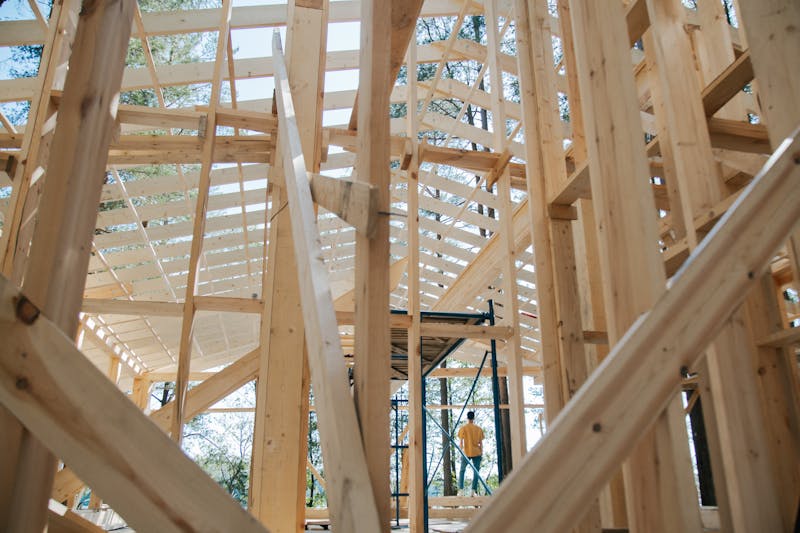
The size of your home is the single biggest factor in total framing cost. Here are typical all-in estimates (labour plus materials) for common home sizes across Canada:
- 1,000 sq ft bungalow: $15,000 to $35,000 CAD
- 1,500 sq ft home: $22,000 to $48,000 CAD
- 2,000 sq ft two-storey: $30,000 to $65,000 CAD
- 2,500 sq ft home: $38,000 to $80,000 CAD
- 3,000 sq ft custom home: $50,000 to $100,000+ CAD
These ranges reflect standard platform framing, which is the dominant method in Canadian residential construction. Timber framing, post-and-beam, or structural insulated panel (SIP) construction will cost significantly more.
Framing Cost per Square Foot in Canada
Breaking down framing costs per square foot helps you compare quotes and catch estimates that are out of range:
- Labour only: $4 to $10 per square foot
- Materials only (lumber, hardware, fasteners): $8 to $22 per square foot depending on lumber prices
- Labour and materials combined: $12 to $32 per square foot
Note that lumber prices in Canada have been volatile since 2020. Always get quotes that lock in material costs, or ask your contractor how lumber price fluctuations are handled in the contract.
What Affects Framing Costs?
Design Complexity
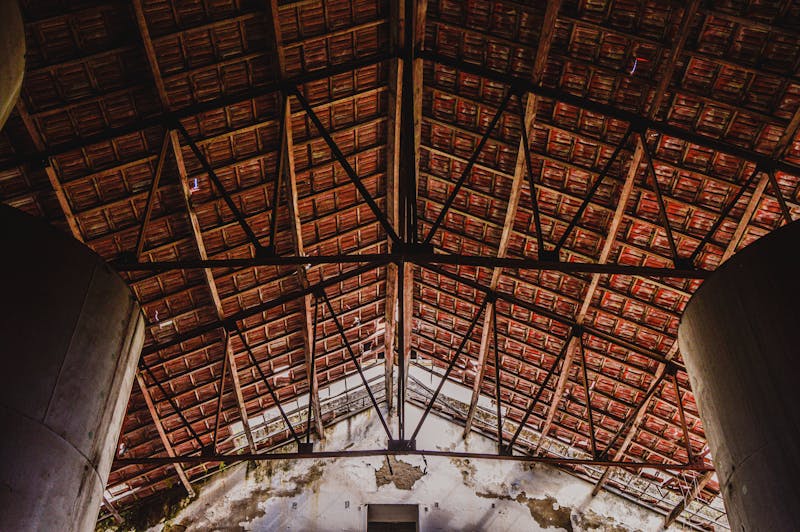
A simple rectangular bungalow is the cheapest home to frame. Every design feature that adds angles, corners, cathedral ceilings, dormers, cantilevers, or complex roof lines adds labour hours and material waste. A home with an intricate roofline can cost 25 to 40 percent more to frame than a box-shaped home of the same square footage.
Storey Count
Two-storey homes are not necessarily cheaper per square foot than bungalows. They require more scaffolding, crane lifts for heavy trusses, and additional safety measures at height. Bungalows, however, require more roof framing relative to their floor area, which can offset this difference.
Lumber Prices
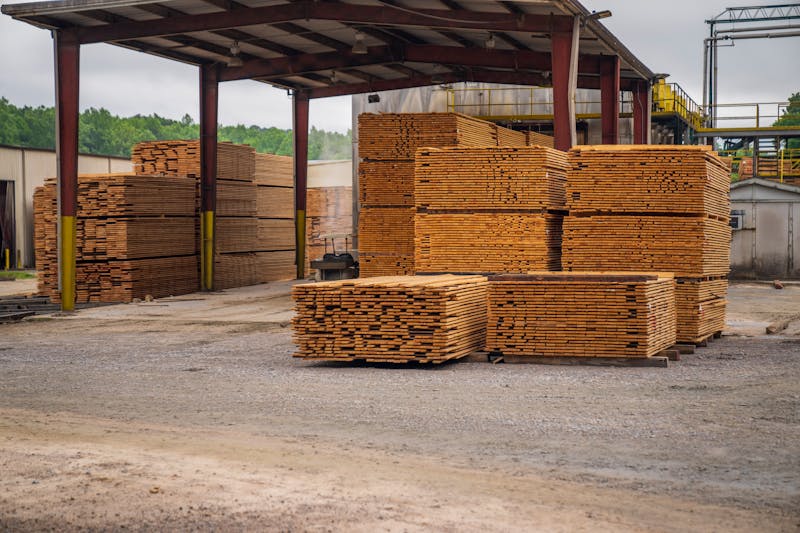
Dimensional lumber (2x4, 2x6, 2x8, engineered lumber, LVL beams) is the primary material cost in framing. Canadian lumber prices hit historic highs in 2021 and have since stabilized, but remain above pre-pandemic levels. Always get a quote that separates labour from materials so you know which number is variable.
Province and Region
Labour rates for framers vary significantly across Canada. British Columbia and Ontario consistently have the highest labour costs, while the Prairie provinces (Alberta, Saskatchewan, Manitoba) tend to be more competitive. Remote and northern communities see significant premiums for any skilled trades work.
Foundation Type and Site Conditions
Difficult sites, uneven grades, or unusual foundation types (crawlspace, slab-on-grade versus full basement) can affect framing complexity and cost. Basement slab-on-grade homes require different sill plate and moisture management details at the first floor.
Framing Costs by Province
Here are approximate all-in framing costs per square foot by province for a standard residential project:
- British Columbia: $18 to $32 per sq ft — highest labour rates in Canada, driven by Metro Vancouver and Victoria markets
- Ontario: $16 to $30 per sq ft — GTA premium is significant; smaller Ontario cities are more affordable
- Alberta: $13 to $24 per sq ft — strong trades workforce, competitive market in Calgary and Edmonton
- Saskatchewan / Manitoba: $12 to $20 per sq ft
- Quebec: $13 to $22 per sq ft — RBQ licensing requirements apply to residential contractors
- Atlantic Provinces (NS, NB, PEI, NL): $11 to $18 per sq ft — lower labour rates but sometimes longer lead times for framers
What Does House Framing Include?
A full framing package typically covers:
- Sill plate installation on top of the foundation
- First floor framing (floor joists or engineered floor system)
- Exterior and interior wall framing (load-bearing and partition walls)
- Second floor framing if applicable
- Roof framing (trusses or cut-in rafters)
- Sheathing on walls and roof (OSB or plywood)
- Window and door rough openings
- Stair rough framing
Framing does not typically include roofing materials, windows and doors, insulation, or any mechanical rough-in. Those are separate scopes handled by other trades.
How Long Does House Framing Take?
Framing timelines depend on crew size, home complexity, and weather. Typical estimates:
- 1,000 to 1,500 sq ft home: 1 to 2 weeks with a 4-person crew
- 2,000 to 2,500 sq ft home: 2 to 4 weeks
- 3,000+ sq ft custom home: 4 to 8 weeks
Wet weather, permit delays, and material delivery lead times are the most common causes of framing delays in Canada. In winter months, framing can continue but productivity drops, particularly in provinces that experience significant snowfall.
Do You Need a Permit for House Framing in Canada?
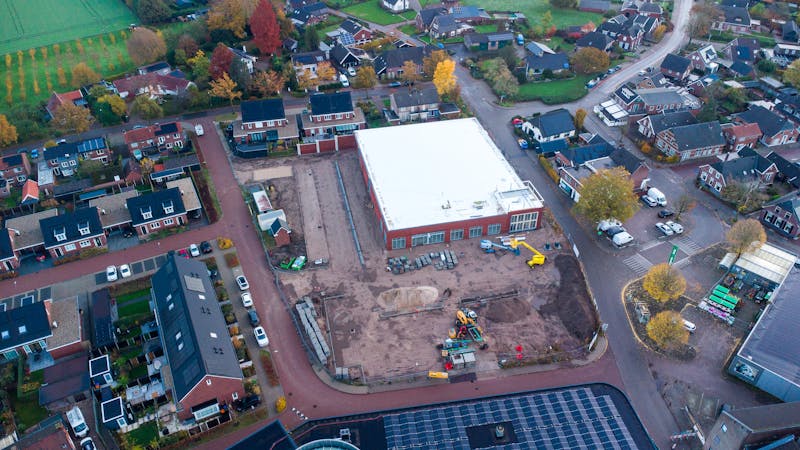
Yes. Any structural framing work in Canada requires a building permit from your local municipality. This applies to new construction, additions, and any work that involves removing or altering load-bearing walls. Framing inspections occur at specific stages:
- Foundation inspection: Before framing begins
- Framing inspection: After rough framing and sheathing are complete, before insulation covers the studs
- Rough-in inspection: After electrical, plumbing, and HVAC rough-in
A framing inspection that fails can result in costly rework. Hiring a licensed contractor who pulls the proper permits and knows local code requirements protects your investment.
How to Hire a Framing Contractor in Canada

Framing is not a DIY-friendly trade for most homeowners. It involves structural engineering principles, load calculations, and code compliance that require experience. When hiring a framing contractor:
- Verify WCB/WSIB coverage — if a worker is injured on your site without coverage, you could be liable
- Confirm general liability insurance — minimum $2 million is standard for residential framing
- Ask about permit experience — a reputable framer should be comfortable pulling permits and coordinating inspections
- Get at least three quotes — framing quotes can vary by 30 to 40 percent for the same scope of work
- Check references from recent similar projects — framing a multi-family building is very different from a detached home
- Review the contract carefully — confirm who supplies materials, how cost overruns are handled, and what the payment schedule looks like
Use a platform like Local Skilled Trades to find framing contractors near you and compare profiles, photos, and contact information across Canada.
Frequently Asked Questions About House Framing Costs in Canada
Is it cheaper to use engineered lumber or dimensional lumber for framing?
Engineered lumber products like LVL beams, I-joists, and engineered rim boards typically cost more upfront than dimensional lumber but offer better performance, less warping, and longer clear spans. For floor systems, engineered lumber is standard on most new Canadian homes today because it reduces squeaky floors and allows open-concept designs. The premium is usually worth it over the life of the home.
What is the difference between platform framing and timber framing?
Platform framing (also called stick framing) uses dimensional lumber to create a series of stud walls and floor platforms built one storey at a time. It is the dominant method in Canadian residential construction and the most cost-effective. Timber framing uses large solid timber posts and beams joined with traditional joinery or modern metal connectors, creating exposed structural elements inside the home. Timber framing typically costs two to four times more than platform framing.
How much does it cost to frame an addition in Canada?
Home additions are typically priced at $15 to $35 per square foot for framing labour and materials, depending on whether the addition is single-storey or two-storey, and how the existing structure ties in. Connecting to an existing home always adds complexity and cost compared to framing a standalone structure.
Can I save money by supplying my own lumber?
Some framers will agree to labour-only contracts where you supply the materials. This can save money if you have an established supplier relationship or are purchasing materials during a market dip. However, you take on the risk of ordering incorrect quantities, delays in delivery, and any defects in materials. Most residential framers prefer to supply their own materials so they can control quality and scheduling.
What happens if framing fails inspection?
A failed framing inspection requires you to correct the deficiencies and book a re-inspection before any insulation, vapour barrier, or drywall can be installed. Common failures include missing blocking, improper header sizes over openings, inadequate nailing patterns, and missing fire blocking. This is why hiring an experienced, licensed contractor who works to code is so important.
Local Skilled Trades Editorial
Home Construction Expert