
How to Hire a Painter in Canada: Interior and Exterior
Whether you're refreshing a single room or giving your entire home a new look, hiring the right painter is one of the most important decisions you'll make as a homeowner. A professional painter can transform your space, protect your investment, and save you time and frustration. However, finding a qualified, reliable, and fairly priced painter across Canada requires knowledge and careful vetting.
This guide walks you through 10 essential steps to hire a painter with confidence, covering everything from credentials and insurance to contract terms and red flags to watch for.
Step 1: Define Your Project Scope Clearly
Before you contact a single painter, know exactly what you want done. Are you painting interior walls, exterior siding, trim, cabinets, or all of the above? Do you need surface preparation, repairs, or priming? How many square feet are you covering?
Why this matters: A vague project description leads to wildly different quotes. Painters need specifics to provide accurate estimates. If you're unsure, ask the painter to visit for a consultation before providing a quote. This also helps you compare apples to apples when evaluating multiple bids.
Step 2: Search For Certified and Licensed Painters
In Canada, painter licensing varies by province. Some provinces, like Ontario and British Columbia, regulate painting trades more strictly than others. Look for painters who hold appropriate certifications from their provincial trade organizations or trade schools.
Why this matters: Licensed and certified painters have completed formal training, passed exams, and carry proper insurance. This protects you from liability if something goes wrong. Check your province's trade authority website or use Local Skilled Trades to find vetted professionals in your area.
Step 3: Verify Insurance and Liability Coverage
Ask every painter for proof of liability insurance and workers' compensation coverage. Request a copy of their current insurance certificate. Never hire a painter who says insurance is too expensive or unnecessary.
Why this matters: If a painter is injured on your property without workers' comp, you could be liable. If they damage your home and lack liability insurance, you're stuck paying for repairs yourself. Uninsured painters may also be less professional and less reliable. This is non-negotiable.
Step 4: Ask For Multiple Written Quotes
Contact at least three painters and request written estimates. Ensure all quotes are itemized, showing labour costs, materials, timeline, and any additional charges like furniture moving or trim work.
Why this matters: Written quotes prevent misunderstandings and disputes later. They also reveal whether a painter's pricing is competitive. If one quote is significantly lower than the others, ask why. It may indicate lower-quality materials, inexperienced workers, or hidden costs that will emerge later.
Step 5: Check References and Online Reviews
Ask painters for at least three recent references from clients with similar projects. Contact them directly and ask about quality, timeliness, cleanliness, and professionalism. Also check Google Reviews, Yelp, and the Better Business Bureau Canada.
Why this matters: References and reviews reveal patterns. If multiple clients mention missed deadlines or poor cleanup, that's a red flag. Conversely, consistently positive feedback is a strong indicator of reliability and quality. Pay special attention to recent reviews, as they reflect current standards.
Step 6: Confirm Paint Quality and Product Specifications
Ask which paint brands and types the painter will use. Are they providing their own materials, or will you supply them? What sheen or finish is specified? Will they use premium, mid-range, or budget paint?
Why this matters: Paint quality directly affects durability and appearance. Premium exterior paints last longer and resist weathering better, especially important in harsh Canadian climates. Interior paint varies in washability and durability. A cheap quote might mean cheap paint that fades, peels, or needs repainting in two years. Specify your expectations upfront.
Step 7: Discuss Surface Preparation and Repair Work
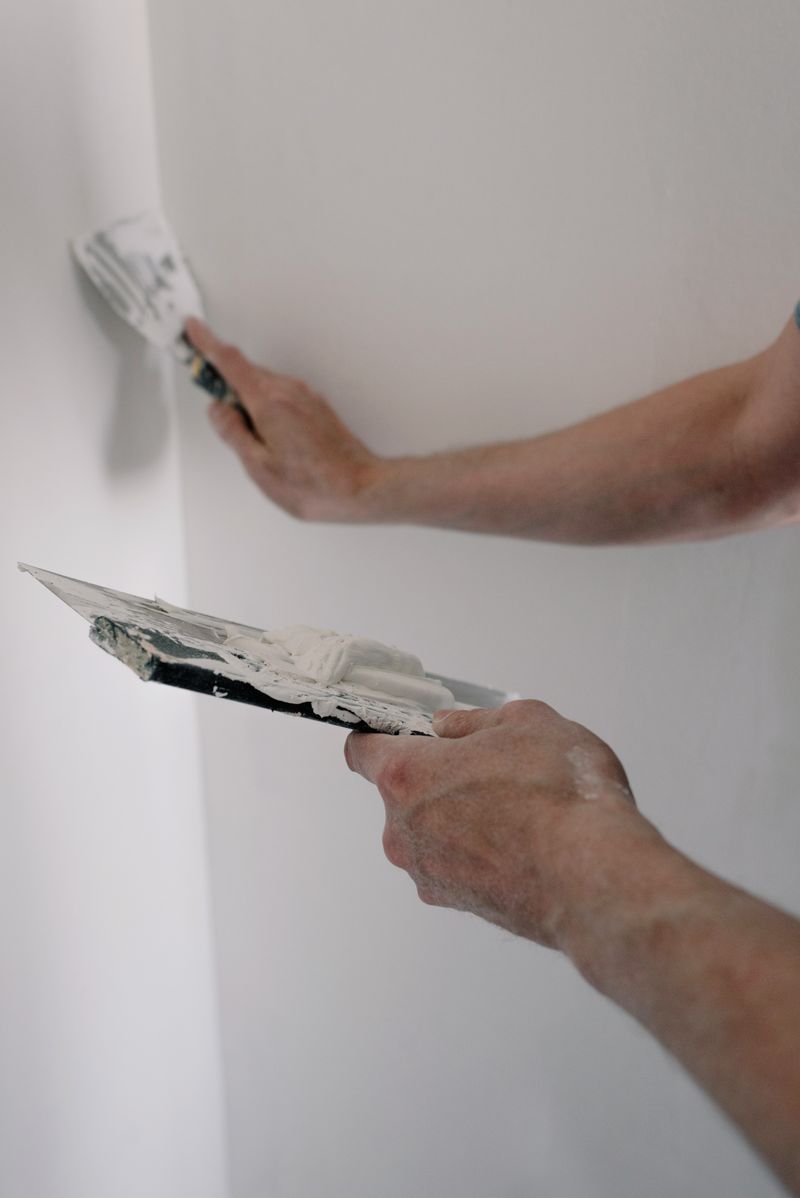
Ask if the quote includes surface cleaning, sanding, filling holes, caulking, or repairing damaged drywall. These steps are crucial for professional results but are sometimes quoted separately.
Why this matters: Surface prep is where good painters separate from mediocre ones. Rushing this step leads to poor paint adhesion, uneven finishes, and premature failure. Clarify what's included so you're not hit with surprise add-on charges halfway through the project.

Step 8: Ask About Timeline and Scheduling
When can the painter start? How long will the project take? Will they work weekdays, weekends, or both? What happens if the weather delays an exterior project? Is there a written completion date in the contract?
Why this matters: Clear scheduling expectations prevent frustration. Exterior painting in provinces like Alberta, Manitoba, or Nova Scotia depends heavily on weather, so flexibility and contingency plans matter. A written timeline in your contract protects both you and the painter.
Step 9: Clarify Payment Terms and Schedule
Never pay the full amount upfront. A standard arrangement is a deposit of 25 to 50 percent before work begins, progress payments as work progresses, and the final balance upon completion. Get this in writing.
Why this matters: Deposits protect the painter financially, but paying in full upfront leaves you vulnerable if the work is incomplete or substandard. Structured payments incentivize both parties to perform. Always require final payment contingent on your satisfaction with the work.
Step 10: Review and Sign a Detailed Contract
Before work begins, have a written contract that includes project scope, materials, costs, payment schedule, start and end dates, cleanup responsibilities, warranty, and dispute resolution. Don't rely on verbal agreements.
Why this matters: A contract protects you both legally. It documents what you've agreed to, preventing disputes over what's included, quality standards, or costs. Include a warranty clause, such as two years on labour, so you're covered if paint peels or cracks prematurely.

Step 11: Inspect Work During and After Completion
Visit the site regularly during the project. Check paint coverage, colour accuracy, and cleanup. Before final payment, inspect the work in good lighting. Look for drips, uneven coverage, or missed spots. Document any issues in writing and request corrections before paying the balance.
Why this matters: Catching problems early makes correction easier. Once you've paid in full, the painter has little incentive to address complaints. Clear inspection prevents "he said, she said" disputes.
Red Flags When Hiring a Painter
- No insurance: If a painter refuses to provide proof of liability and workers' compensation, walk away.
- Unusually low bids: If a quote is 30 to 40 percent below others, investigate why. Cheap often means poor quality.
- Cash only: Legitimate businesses accept cheques or e-transfer. Cash-only arrangements may indicate no business license or tax compliance.
- No contract: Professional painters provide written agreements. Verbal-only deals invite misunderstandings.
- Pressure to pay upfront: Legitimate painters don't demand full payment before starting work.
- Poor communication: If a painter is hard to reach during the hiring process, imagine how they'll be during the project.
Frequently Asked Questions
How Much Does Interior Painting Cost in Canada?
Interior painting typically ranges from $2 to $5 CAD per square foot, depending on room size, surface condition, and paint quality. A 1,000-square-foot interior might cost $2,000 to $5,000 CAD. Get quotes from multiple painters in your province for accurate local pricing.
How Much Does Exterior Painting Cost in Canada?
Exterior painting ranges from $1.50 to $4 CAD per square foot, or $3,000 to $8,000 CAD for a typical home. Weather conditions, siding type, and surface preparation significantly affect cost. Extreme climates like those in Saskatchewan or northern Ontario may cost more due to weather delays.
What Is the Typical Duration of a Painting Project?
Interior projects usually take three to seven days, depending on room size and surface prep. Exterior projects take five to fourteen days. Weather, paint type, and prep work affect timelines. Discuss realistic expectations with your painter upfront.
Should I Supply Paint or Let the Painter Buy It?
Either approach works, but specify in your contract. Letting the painter source materials often gives them buying power and ensures quality. However, if you prefer a specific brand, you can supply it. Make sure the cost allocation is clear in writing.
Next Steps: Find Your Perfect Painter
Hiring a professional painter is an investment in your home's appearance and protection. By following these eleven steps, checking credentials, reviewing contracts carefully, and asking the right questions, you'll hire someone you can trust to deliver quality results.
Ready to find a skilled painter? Find a Painter Near You through Local Skilled Trades, where you can connect with vetted, licensed professionals across Canada.
Local Skilled Trades Editorial
Home Services Expert